
Preparing Shed Samples for DNA Testing
Clear steps for reliable results
Why This Matters
Water and humidity are the primary threats to DNA integrity in shed skin. To ensure the highest possible quality and accuracy in testing, please follow the preparation process below with care.
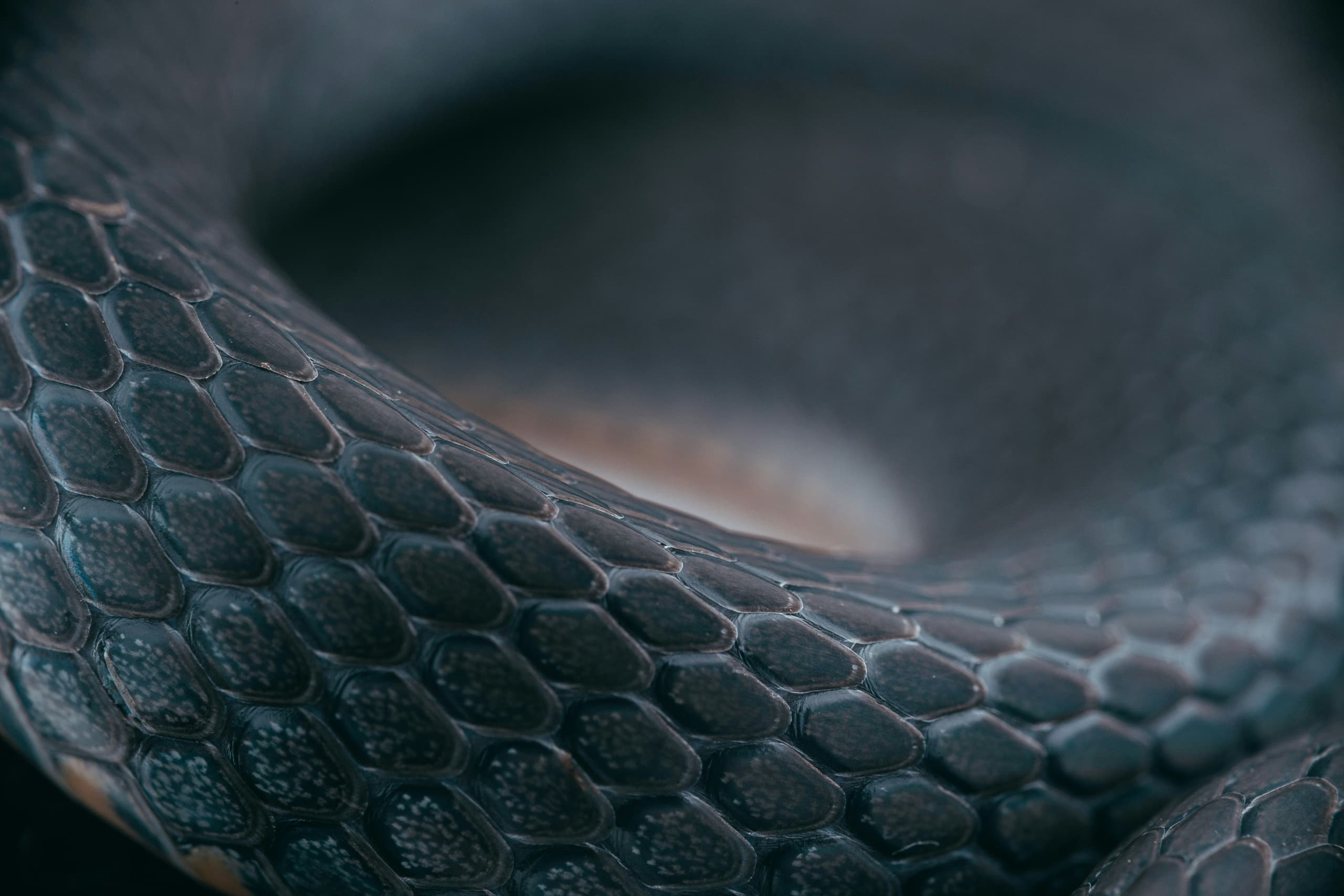
Step 1
Collect Promptly
Remove the shed from the enclosure as soon as you notice it. Freshly shed skin has intact DNA. Remaining in the enclosure increases moisture exposure and risk of microbial activity that can break down genetic material.
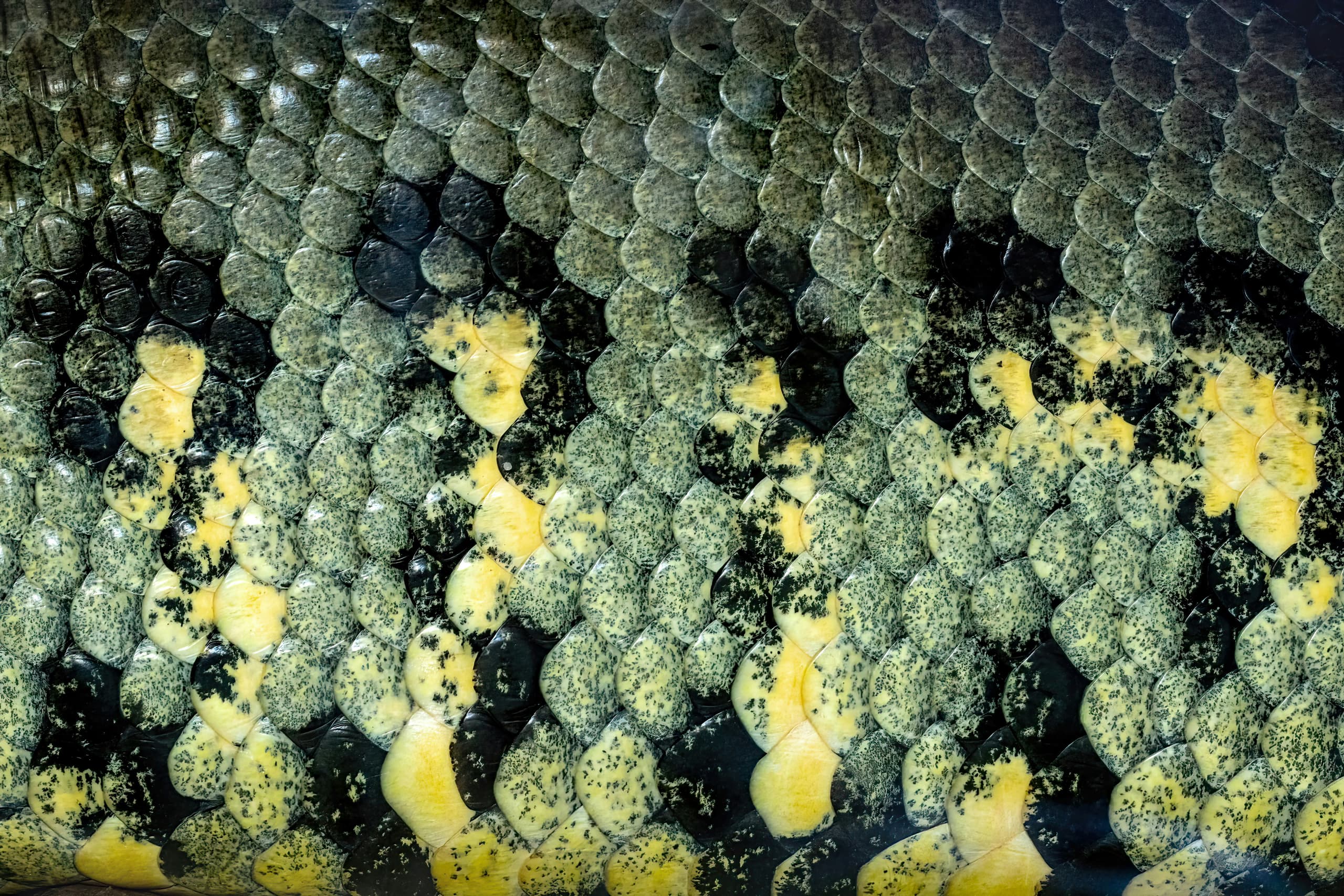
Step 2
Prepare the Shed
Lay the shed flat and remove any sections that are dirty, degraded, or contain substrate. Contaminants introduce foreign DNA and bacteria, making sequencing more complex and reducing clarity and accuracy of the results.
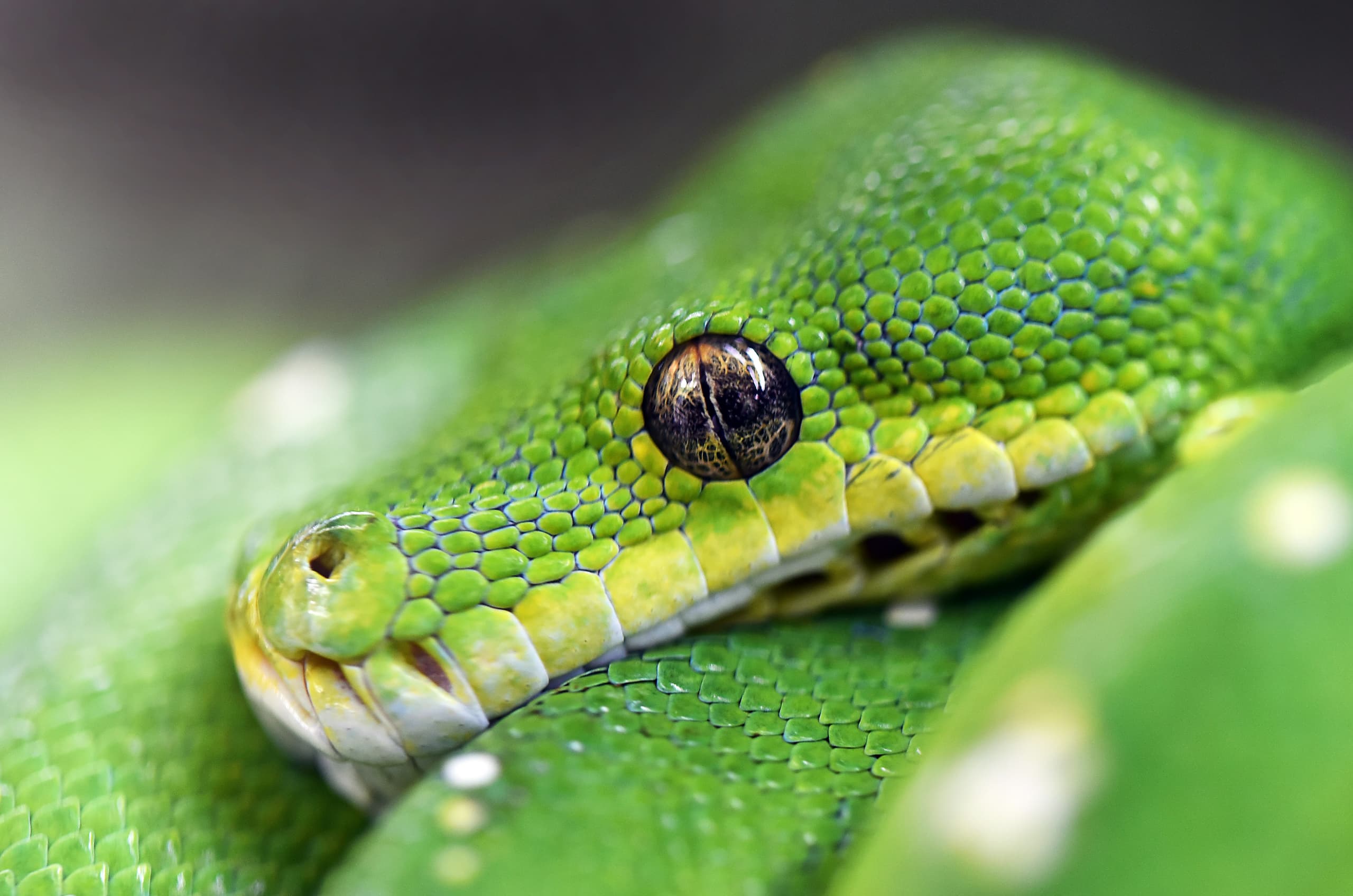
Step 3
Allow to Dry Fully
Place the shed in a dry environment for 24–48 hours. The sample should be fully dry and crisp before packaging, with no flexibility or residual moisture. Even slight moisture accelerates DNA breakdown. A fully dried sample remains stable and analyzable for months or longer.
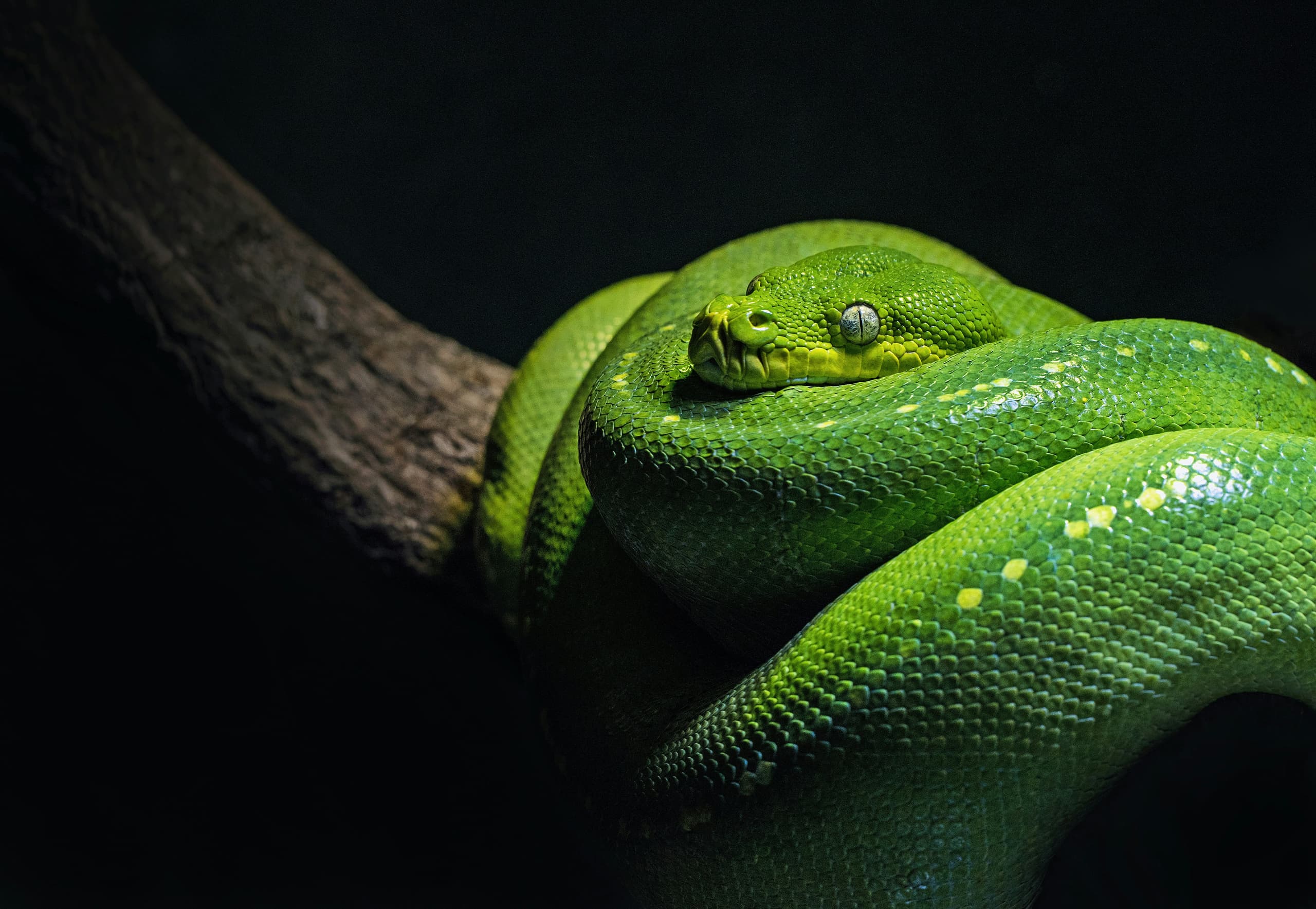
Step 4
Package Securely
Transfer the dried shed into a sealed zip-lock bag, removing excess air. An airtight environment prevents reabsorption of humidity during shipping and storage, maintaining DNA integrity for laboratory extraction.
Summary of Best Practices
| Action | Benefit | Avoids |
|---|---|---|
| Collect early | Preserve fresh DNA | Moisture + substrate contamination |
| Clean the shed | Remove foreign DNA & debris | Mixed or unreadable genetic signals |
| Fully dry | Maintain DNA stability | Rapid degradation & mold growth |
| Seal in zip-lock | Prevent moisture return | Compromised sequencing quality |
Ready to Get Started?
Order a test to unlock your animals' genetic secrets, or reach out if you have any questions.