
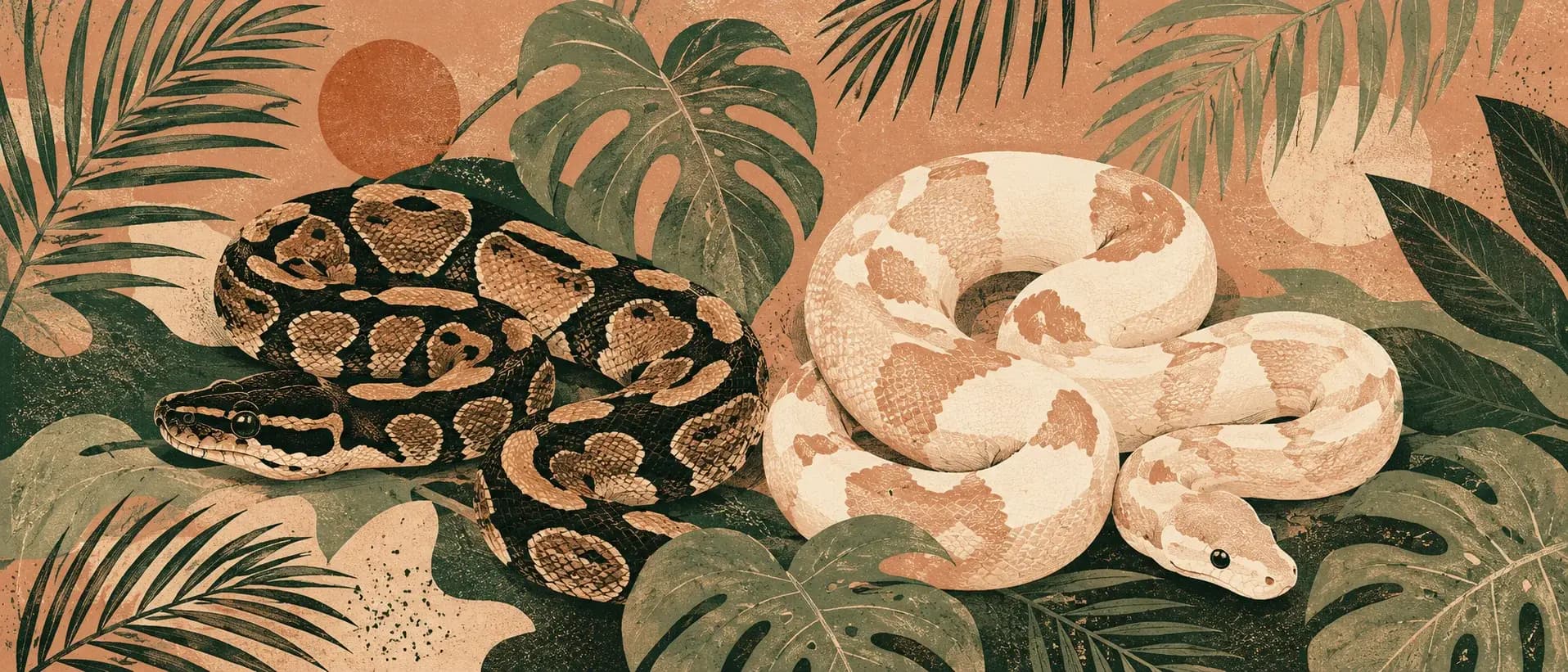
Visible Genetic Expression
Abstract
This article examines the concept of morphs in reptiles: the visible phenotypic expression of underlying genetic variation. It addresses the distinction between hobbyist and scientific terminology, the chromatophore-based mechanisms responsible for color and pattern variation, key categories of pigmentation morphs, patterns of inheritance including allelic and polygenic interactions, and the evolving role of genetic documentation in morph development.
1. What is a Morph?
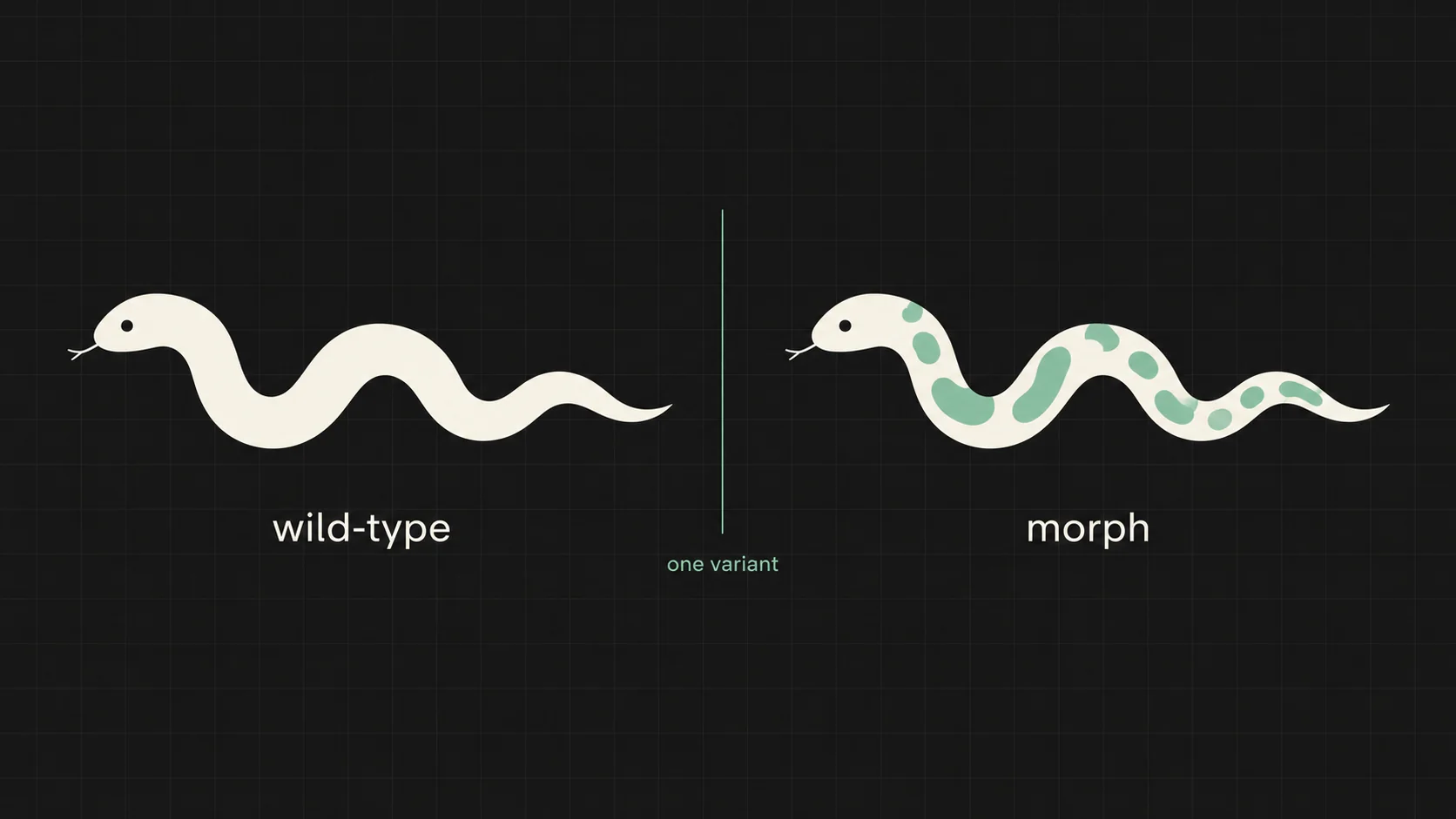
A morph is commonly used to describe a heritable variation in appearance that deviates from the wild-type, or standard form of a species. While the word usually refers to striking differences in color or pattern, a morph is not a unique category of inheritance. Rather, it is the outward, visible expression (phenotype) of underlying genetic blueprints (genotype). In essence, a trait describes the specific DNA variant an animal carries, while a morph describes the visual result of that variant.
The distinction between hobbyist and scientific language is often a matter of context. In evolutionary biology, these variations are termed polymorphisms or locality-based forms. For example, a black-colored population of European adders (Vipera berus) is a naturally occurring polymorphism. Conversely, a melanistic line of Ball pythons is referred to as a "morph" within the captive breeding community. While the terminology differs across domains, the biological mechanisms, the shifts in genetic pathways, remain identical.
2. The Mechanisms of Colour and Pattern
The vast majority of morphs result from the behavior of chromatophores, the pigment cells located within the skin and its outer layers. Genetic mutations influence how these cells develop and distribute across the body.
Amelanism & Albinism
Occur when melanin production is disrupted. Many "Albino" reptiles are technically amelanistic, meaning they lack dark pigment but retain vibrant yellows and reds. Research into genes such as TYR and OCA2 has provided molecular evidence for these traits in species like Corn snakes and Ball pythons.
Hypomelanism
Represents a reduction, rather than a total absence, of dark pigment. This often results in "pastel," "ghost," or "hypo" appearances where the animal retains a soft, muted version of its dark patterning.
Melanism
Involves a significant increase in dark pigmentation. This trait occurs naturally in species like the Garter snake (Thamnophis sirtalis) and the Grass snake (Natrix natrix), where darker tones may offer thermoregulatory or camouflage advantages in cooler climates.
Leucism & Piebaldism
Affect the migration of pigment cells during embryonic development. Leucistic animals lack pigment entirely, appearing solid white, while Piebald (Pied) traits result in erratic patches of white, unpigmented skin.
 Specimen
3. Patterns of Inheritance and Complexity
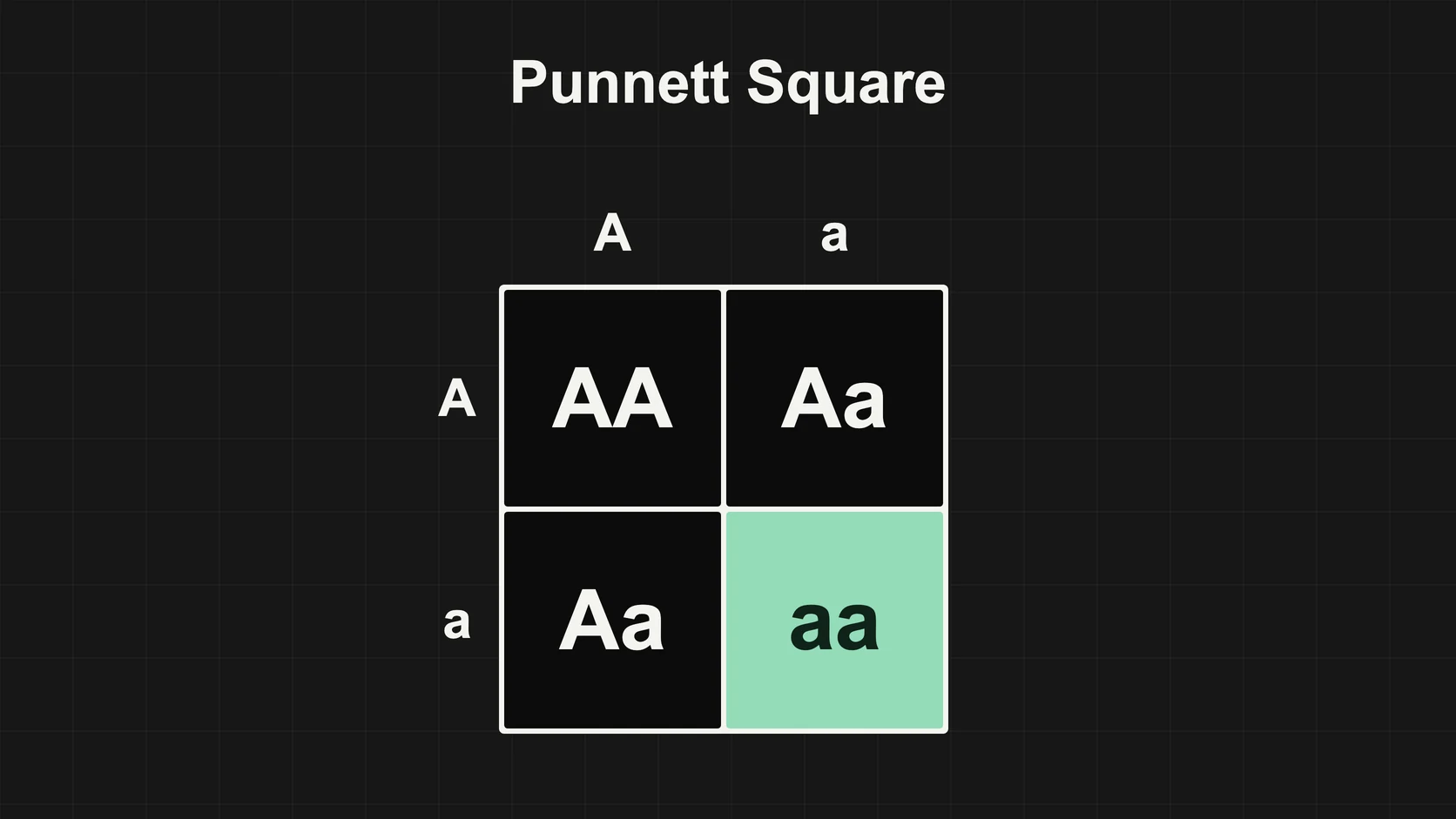
Most of these established morphs follow predictable inheritance patterns. Dominant morphs require only a single copy of a gene to be seen, whereas recessive morphs require two copies, meaning an animal can be a visual wild-type while remaining a carrier (Heterozygous) of the hidden trait. Incomplete dominance is particularly prevalent in the hobby; it creates an intermediate heterozygous look and a more dramatic Homozygous or "Super" form when two copies are present.
Furthermore, some morphs are allelic, meaning different mutations occur at the same location on a chromosome. When two different allelic morphs are combined, they can produce a "complex" that looks distinct from either parent, a phenomenon frequently seen in the Blue-Eyed Leucistic complex of Ball pythons.
Not every distinctive look is the result of a single-gene mutation. Traits such as "High Orange," "Jungle" patterns, or refined "Line-bred" traits are polygenic. These are shaped by the cumulative effect of many genes, creating a gradient of appearance rather than a simple on/off switch. Through generations of selective line-breeding, keepers can "fix" these traits or create intensified versions, such as the "Super Hypo" seen in Leopard Geckos, where consistent selection gradually consolidates a particular look.
4. The Evolution of Genetic Documentation
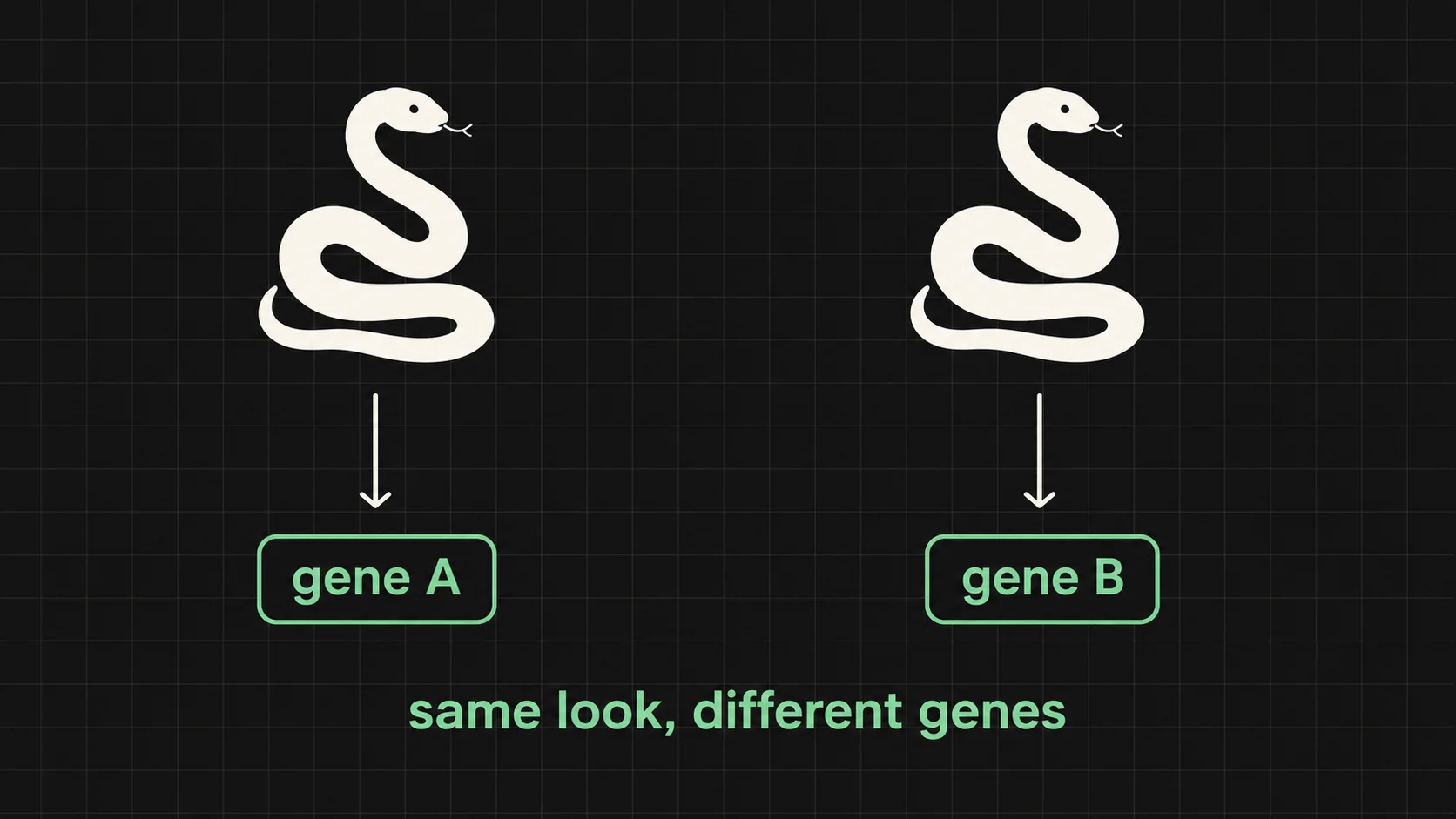
As genetic research continues to clarify the relationship between DNA and appearance, long-held assumptions based on visual assessment alone are being refined. It is now well established that morphs which appear identical can arise from different genetic causes, and that some visually appealing combinations may carry linked traits affecting health or development. This growing insight highlights the limits of selection based solely on appearance and reinforces the importance of understanding what an animal carries genetically, not just how it looks.
Today, many morphs can be identified and documented at the genetic level, allowing visible appearance to be linked directly to inherited traits. This enables morph combinations to be planned, recorded, and interpreted with greater clarity, even when the underlying genetics are complex. Combined with consistent record keeping and responsible husbandry, genetic insight provides a foundation for a more transparent and informed approach to morph development. As this genomic era continues to unfold, the connection between biological understanding and dedicated care is opening the door to an extraordinary range of new expressions and patterns, making the future of reptile keeping as expansive and exciting as the natural world itself.
5. Summary
- A trait describes the DNA variant; a morph describes the visual result of that variant.
- Chromatophores drive color and pattern variation through amelanism, hypomelanism, melanism, leucism, and piebaldism.
- Morphs follow dominant, recessive, incomplete dominant, allelic, and polygenic inheritance patterns.
- Morphs that appear identical can arise from different genetic causes and may carry linked traits affecting health.
- Genetic documentation enables morph combinations to be planned, recorded, and interpreted with greater clarity.